How Safe Is Hair Transplant Today?
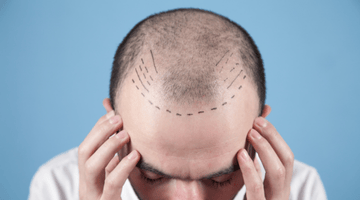
Hair transplant is one of the most common surgical aesthetic procedures today, offering highly safe, widespread, and successful results. The most frequent patients are men aged 18–55 experiencing male pattern hair loss. Genetic predisposition and hormonal factors are the primary causes of male pattern hair loss.
Mesotherapy, PRP, and medical treatments may slow hair loss, but permanent and noticeable results are mostly achieved through hair transplantation.
We do not perform hair transplant; however, we provide professional consultancy to connect patients with proper planning, reliable clinics, and experienced doctors.
How Is Hair Transplant Performed?
Hair transplant is a surgical procedure offering permanent results. Healthy hair follicles are taken from the donor (nape) area using the FUE technique and transferred one by one to bald or sparse areas using a micro motor.
- Average procedure time: 4–8 hours
- Anesthesia: Local, sedation if necessary
- Application: Surgical procedure requiring high precision
The efficiency of the donor area, hair density, thickness, and multi-unit structure of follicles directly affect outcome quality.
What Is FUE Method?
FUE (Follicular Unit Extraction) is one of the most modern and advanced hair transplant techniques. Hair follicles are extracted one by one using a micro motor or manual punch without damaging surrounding tissue.
- 5000–7000 grafts can be safely extracted with proper distribution
- No visible scars in donor area
- Grafts are preserved in special sterile conditions
For a natural hairline, single grafts are used in the front, double, triple, or quadruple grafts in the mid and crown areas.
Hair Transplant Techniques
1. DHI (Direct Hair Implantation)
- No channels are opened before implantation
- Minimal tissue trauma
- Provides denser and controlled implantation
- Usually 3000–5000 grafts applied
If a second session is needed, a 4–6 month interval is recommended while preserving the donor area.
2. Classic Slit Method
- Channels opened with special surgical blades
- Grafts placed with forceps
- Can be combined with DHI or Sapphire techniques
3. Sapphire Slit Technique
- Causes less tissue damage due to sapphire tips
- Faster healing
- Clearer and more precise channels
4. Percutaneous Slit Technique
- Channels opened with various needle tips
- Less preferred than DHI today
Post-Transplant Considerations
Key factors affecting success include proper planning, uniform graft distribution, correct medication use, and planned aftercare.
- First wash: Day 1 or 3 under doctor's supervision
- Shock loss: Normal and temporary within the first 1–3 months
Hair growth timeline:
- Month 3: frontal area growth begins
- Month 5–6: crown area
- Month 6–8: visible density
- Month 14–16: final result
Supportive Treatments After Hair Transplant
- PRP: 3–6 sessions at 15-day intervals
- Mesotherapy: 4–6 sessions at 15-day intervals
- Placenta: 2 sessions at 3–6 month intervals
- Stem Cells: 2 sessions at 3–6 month intervals
These applications support follicle strength and density.
Non-Shaven Hair Transplant
Non-shaven hair transplant is suitable for women and men with sparse hair. DHI technique is mostly preferred.
- Implantation area not shaved
- Window technique applied in donor area
- Provides natural and hidden healing process
Technically, male and female hair transplant follow the same principles; however, non-shaven DHI is more common in women.
DoctorAesthetica Hair Transplant Consultancy
DoctorAesthetica does not perform hair transplantation; however, it offers professional consultancy to ensure patients plan correctly, connect with reliable clinics, and meet experienced doctors.
For questions about hair transplant process, contact us via WhatsApp; follow our social media for updates and patient experiences.
For information on accommodation, interpreter support, and other services, visit https://celik-istanbul-travel.com.tr.
Follow our social media for updated aesthetic content and tips.