What is Facial Aesthetics?
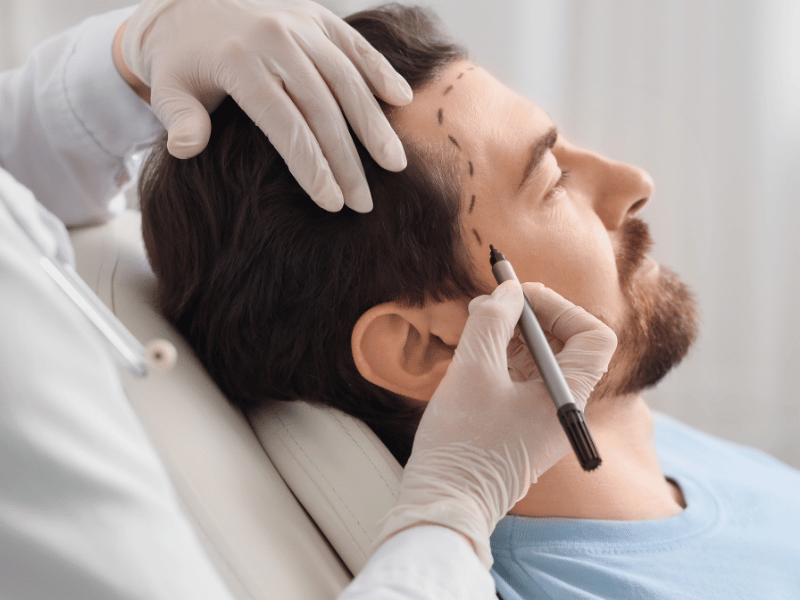
Facial aesthetics includes surgical and non-surgical procedures aimed at enhancing facial harmony and rejuvenation. Treatments such as facelift, neck lift, eyelid surgery, rhinoplasty, and facial fat transfer help restore youthful contours, improve symmetry, and provide a more refreshed and balanced appearance.
Consultation Steps
- Initial Consultation
For international patients, a preliminary evaluation is conducted to discuss goals, medical history, and personalized treatment planning.
- Pre-Operative Assessment
Necessary medical tests, imaging, and health evaluations are completed. Travel and accommodation arrangements are coordinated.
- Surgery Day
Procedures are performed by qualified surgeons in accredited clinics. Anesthesia and safety protocols are fully applied.
- Post-Operative Care
Recovery is monitored, including wound care and follow-up. Transfer, accommodation, and interpreter support are provided if needed.
- Follow-Up and Result Assessment
Healing progress and final results are evaluated. Additional recommendations or corrective measures are provided if necessary.
What Are the Benefits?
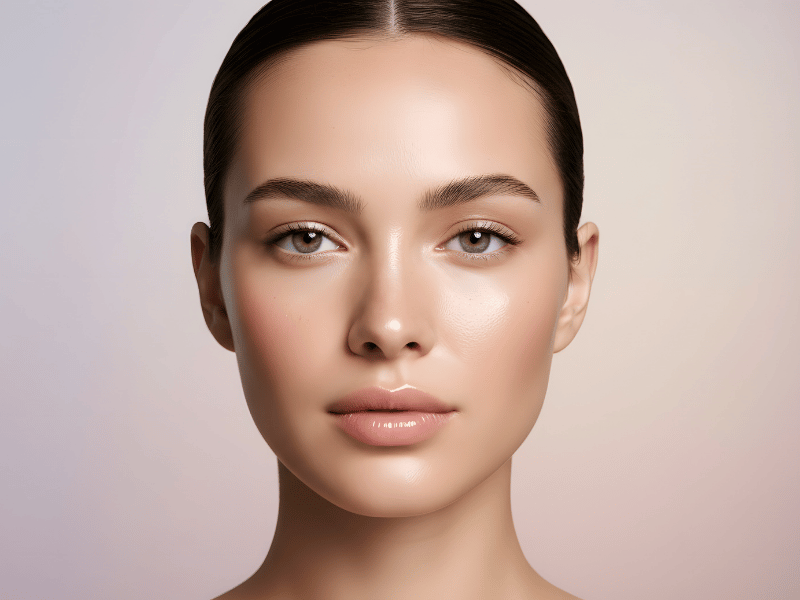
Facial aesthetics improves facial symmetry, restores youthful contours, and enhances self-confidence. When performed correctly, the procedures provide natural and long-lasting results.
Precautions
Pre-operative medical evaluation is required, post-operative care instructions must be followed, and follow-up appointments should be attended for optimal results.
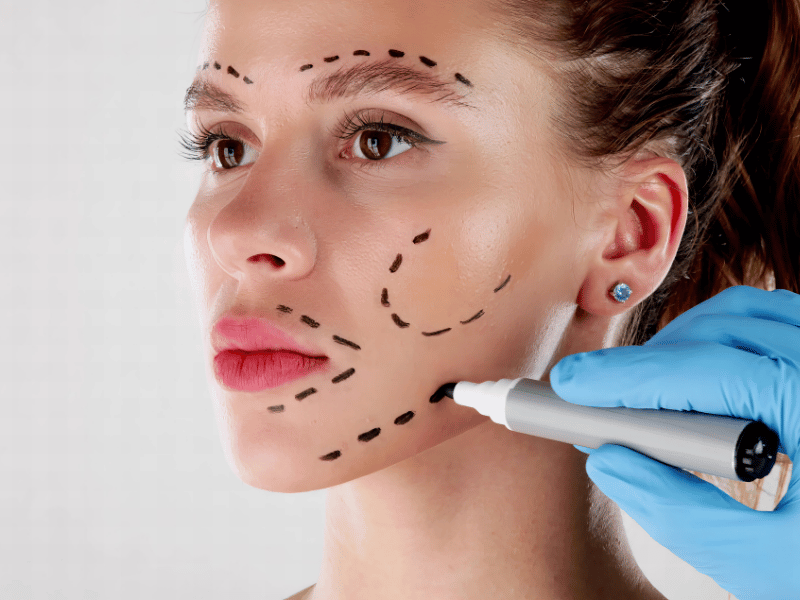
10 Things You Should Know About Facial Aesthetics
Who is suitable for facial aesthetics?
Generally healthy adults seeking facial rejuvenation are suitable. Your doctor will perform a detailed assessment.
How long is recovery?
Recovery time varies by procedure, generally between 1-6 weeks.
How long do results last?
With proper care and lifestyle, results can be long-lasting.
Is anesthesia required?
Most surgical procedures are performed under local or general anesthesia.
Are the procedures painful?
Pain is usually minimal, and appropriate pain management is provided by the surgeon.
Can I exercise after surgery?
Exercise should be resumed according to your doctor's guidance.
What are the risks or complications?
Risks may include swelling, bruising, infection, or minor asymmetry; proper care minimizes these.
Will there be visible scars?
Surgical scars are generally minimal and strategically placed.
How many sessions are needed?
Most surgical procedures are one session; some non-surgical treatments may require multiple sessions.
Is there an age limit?
Procedures are generally suitable for healthy adults; individual assessment is essential.
 Breast Aesthetics
 Medical Aesthetics