What is Hair Transplantation?
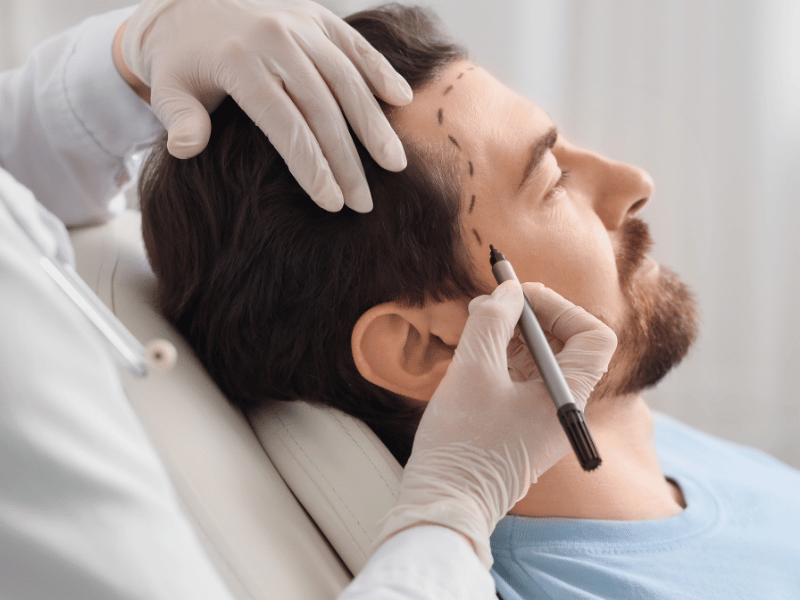
Hair transplantation is a surgical procedure aimed at restoring hair in areas affected by thinning or baldness. Techniques such as FUE (Follicular Unit Extraction) and DHI (Direct Hair Implantation) are commonly used to provide natural-looking, permanent results for patients seeking hair restoration.
Consultation and Procedure Steps
- Initial Consultation
For international patients, a preliminary assessment is done to understand hair loss patterns, expectations, and medical history. Personalized treatment planning is prepared.
- Pre-Operative Assessment
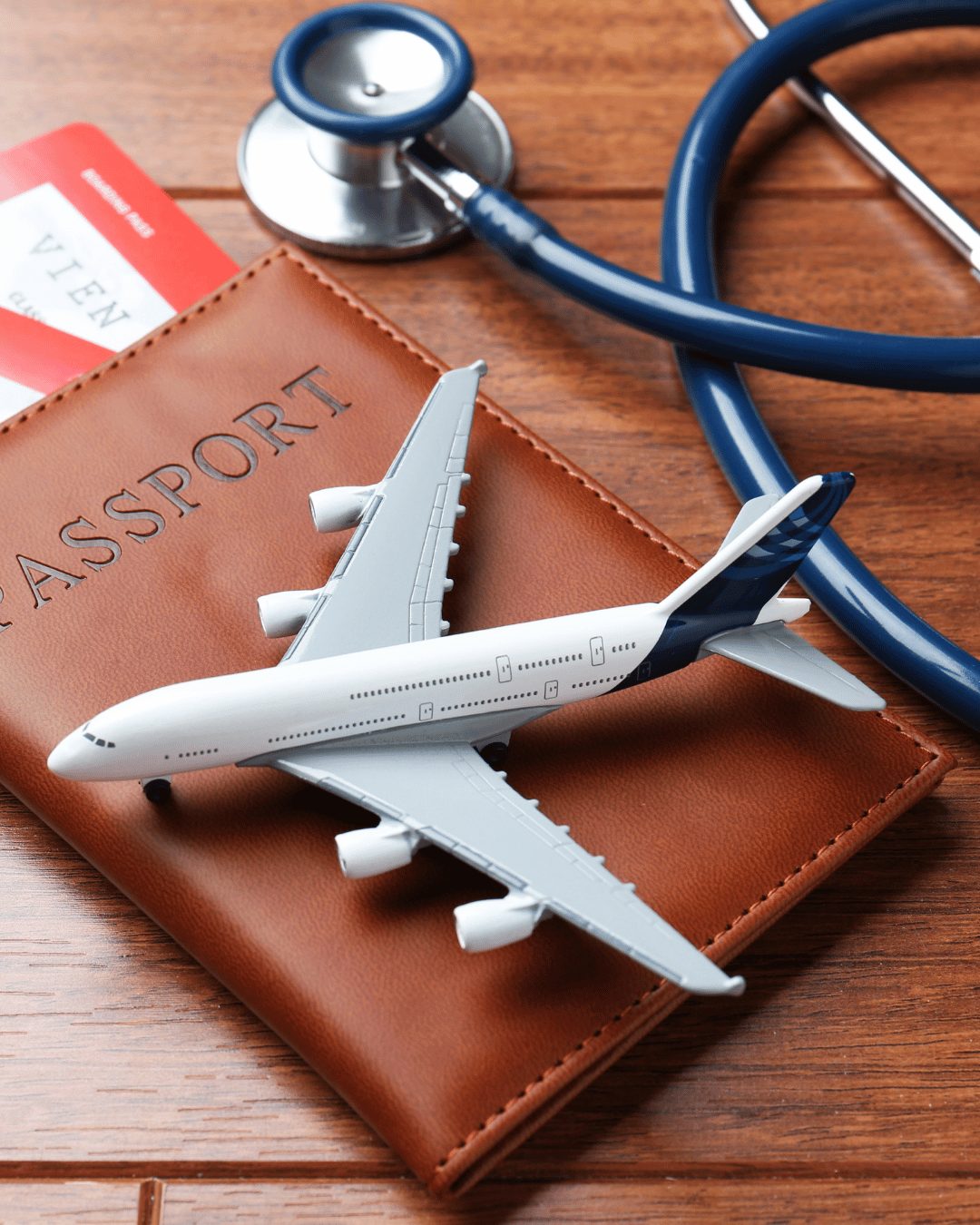
Necessary medical tests and scalp evaluation are completed. Travel and accommodation plans are arranged for international patients.
- Procedure Day
The selected method (FUE or DHI) is performed by qualified specialists under local anesthesia. Safety and hygiene protocols are strictly followed.
- Post-Operative Care
Aftercare instructions are provided, including hair washing guidance, medication, and follow-up appointments. Transfer, accommodation, and interpreter support are available if required.
- Follow-Up and Result Assessment
Healing progress and hair growth are monitored. Additional recommendations are provided for optimal long-term results.
What Are the Benefits?
Hair transplantation restores hair density and natural hairline, enhancing appearance and self-confidence. When performed correctly, the results are permanent and natural-looking.
Precautions
Pre-operative evaluation is required. Post-operative instructions must be followed to ensure optimal hair growth and reduce risks such as infection or graft loss.
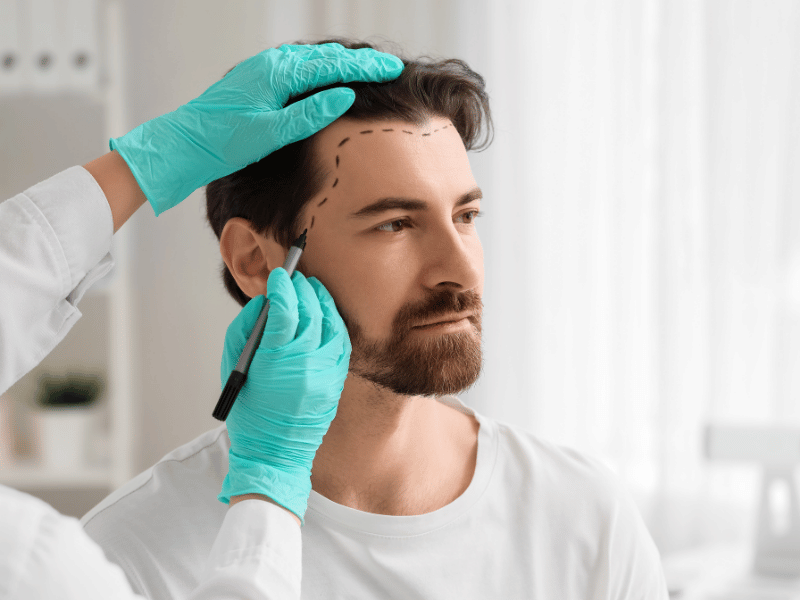
10 Things You Should Know About Hair Transplantation
Who is suitable for hair transplantation?
Healthy adults with hair thinning or baldness are suitable candidates. A detailed assessment by a specialist is required.
How long is recovery?
Recovery time varies, but most patients resume normal activities within a few days. Full hair growth may take several months.
How long do results last?
Hair transplant results are permanent if post-operative care is followed correctly.
Is anesthesia required?
Local anesthesia is used during the procedure to ensure patient comfort.
Are the procedures painful?
Discomfort is minimal due to local anesthesia; pain management is provided if needed.
Can I exercise after surgery?
Light activities are allowed after a few days; strenuous activities should be avoided until your doctor advises.
What are the risks or complications?
Possible risks include swelling, infection, or temporary shock loss. Following aftercare instructions minimizes risks.
Will there be visible scars?
FUE results in minimal scarring, usually not noticeable; DHI leaves almost no visible scars.
How many sessions are needed?
Most patients require a single session; the number of grafts depends on hair loss and goals.
Is there an age limit?
Procedures are generally suitable for adults with stabilized hair loss patterns.
 Breast Aesthetics
 Medical Aesthetics